7 Signs of Childhood Trauma in Adults
Childhood experiences shape how we think, feel, and connect with others. While positive memories can build a sense of safety, early challenges can influence adult emotions, behaviors, and relationships.
Many adults wouldn’t describe themselves as ‘traumatised’. They see themselves as strong, independent, or simply used to handling things on their own, without realising these patterns may have formed as responses to early life stress.
Understanding Childhood Trauma and Its Long-Term Impact
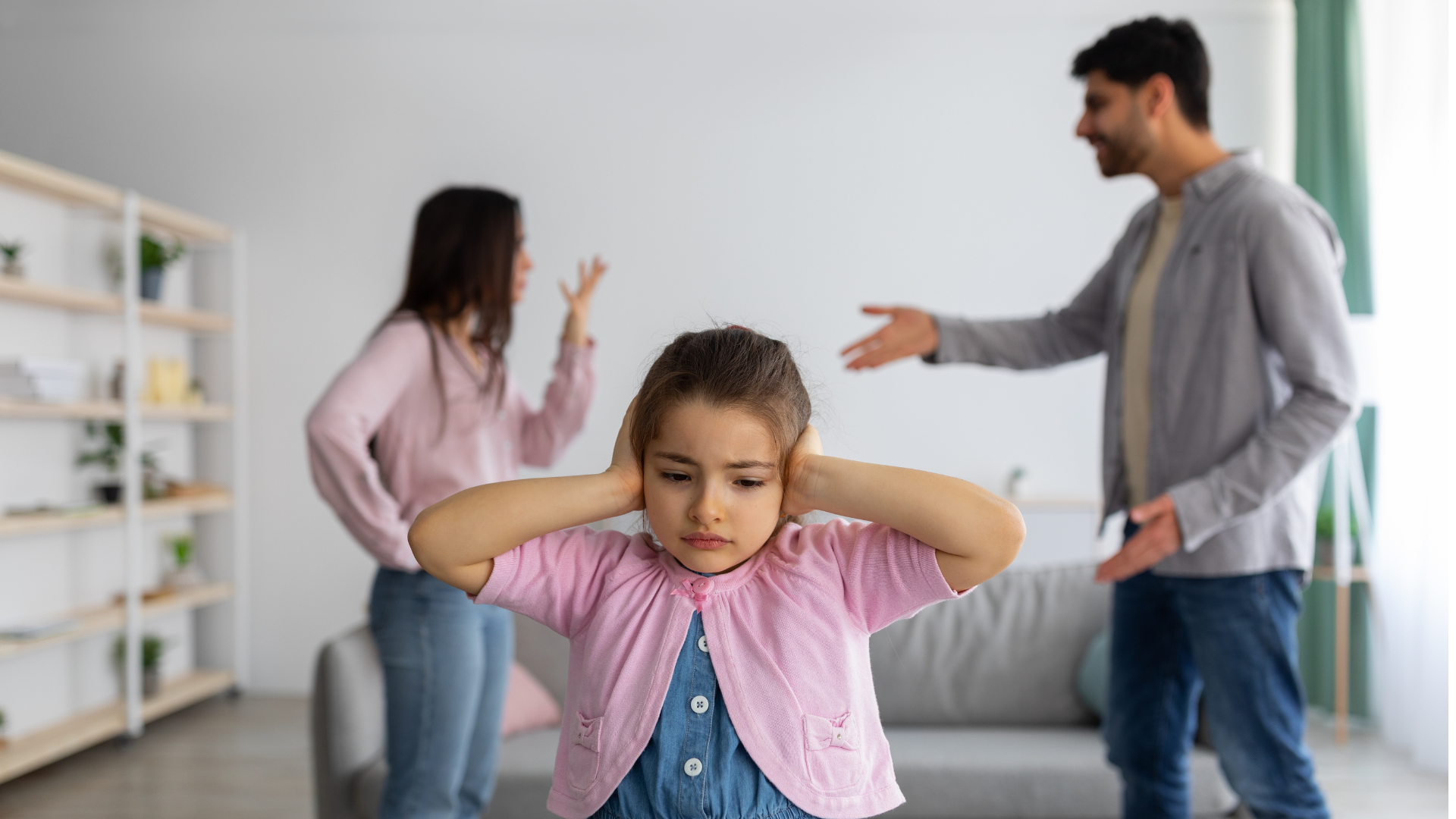
Childhood trauma in adults can develop after difficult or harmful events early in life, such as abuse, neglect, witnessing violence, or growing up in an unstable home.
Because these events happen during critical stages of brain development, growing up with violence or instability can make the body more sensitive to stress and keep it in fight-or-flight mode. This can shape emotions, behavior, and how a person relates to others in adulthood.
These effects are often subtle. Here are 7 signs you may still be carrying childhood trauma into adulthood.
1. Always on Edge
Feeling like you always have to be on alert, even when there’s no real threat, is a common sign of unresolved childhood trauma. When your body stays in this state, it makes you tense, leaves you feeling constantly tired, and can create problems in relationships.
This hypervigilant behaviour often develops in childhood as a survival response to unsafe environments. While it may have helped keep you safe back then, carrying it into adulthood can make everyday life exhausting.
Here are some signs you may be experiencing this:
- Struggling to trust people.
- People-pleasing tendency.
- Overreacting to minor stress.
- Feeling tense or unable to relax.
- Always keeping an eye on your surroundings.
- Getting easily startled by small movements or noises.
- Putting others’ needs above your own to avoid conflict.
2. Struggling to Manage Your Emotions
Another common sign is having a hard time controlling your emotions. You might find yourself having a strong reaction to situations that don’t seem that big, or feeling overwhelmed by sadness, anger, or anxiety.
Children who experience complex trauma often have trouble expressing and managing emotions. This pattern can carry into adulthood.
How it usually shows up:
- Sudden mood swings.
- Intense anger or irritability.
- Feeling very sad or anxious.
- Trouble calming down after getting upset.
- Feeling emotionally numb or disconnected
3. Ongoing Physical Health Problems
Childhood trauma doesn’t just affect your mind, it can affect your body too. Adults who experienced trauma early in life are more likely to develop long term health issues such as chronic pain, migraines, and digestive problems.
Trauma can also influence coping habits. Some would turn to smoking, drinking, or unhealthy eating to manage stress, which can make physical problems worse.
Common signs your body might be affected:
- Autoimmune conditions.
- A weaker immune system.
- Higher risk of heart disease.
- Stomach or digestive problems.
- Fibromyalgia (chronic, unexplained pain).
- Persistent pain like headaches, back pain, or muscle tension.

4. Struggling with Relationships
If it feels hard to form or maintain healthy relationships, childhood trauma in adults could be part of the reason. Early experiences with caregivers shape how we relate to others, and trauma can create patterns that follow us into adulthood.
Children need healthy, supportive relationships early on to learn how to build them later. Without that foundation, romantic relationships, friendships, and connections with authority figures can be challenging.
Signs your relationships may be affected by trauma:
- Trust issues.
- Fear of being abandoned or rejected.
- Anxious or avoidant attachment styles.
- Repeating unhealthy relationship patterns.
- Pushing people away when they get close.
- Difficulty being emotionally close or vulnerable.
5. Anxiety and Depression
Childhood trauma can have a big impact on mental health. Growing up under constant stress or in unsafe environments changes how the brain develops, leaving survivors more vulnerable to anxiety, depression, and other mental health disorders as adults.
Constant stress in childhood can also affect how the brain, immune system, and stress response systems develop. This means that even normal stress in adulthood can trigger strong emotional reactions.
What it can look like:
- Feeling easily overwhelmed by stress.
- Intense worry or fear in everyday situations.
- Mood swings or sudden emotional reactions.
- Social anxiety or fear of interacting with others.
- Persistent feelings of sadness or hopelessness.

6. Dissociation and Memory Issues
Dissociation happens when the mind disconnects from reality to cope with overwhelming stress. It can be a sign of childhood trauma and often starts as a way to protect yourself.
Adults who experienced childhood trauma may dissociate more often, such as feeling detached from themselves or struggling to remember certain events. Over time, this can get in the way of processing emotions and feeling connected as an adult.
Ways it can appear:
- Emotional numbness.
- Trouble staying present in conversations.
- Gaps in memory or feeling like you “lose time.”
- Feeling detached from your body or surroundings.
- Feeling like you are watching yourself from outside your body.
7. Low Self-Esteem and Negative Self-Image
How you see yourself is affected by the way you were raised. Trauma, especially from caregivers, can leave you believing that you’re unworthy, unlovable, or flawed.
Many adults who experienced childhood trauma struggle with low self-esteem, anxiety, and depression. To cope, they may downplay what happened, hide behind a false version of themselves, or turn to substances to numb painful memories.
As adults, it can also lead to deep mistrust of yourself and others, making relationships and social situations feel unsafe.
Common signs you may experience:
- Perfectionism.
- People-pleasing behaviors.
- Difficulty accepting compliments.
- Believing you’re not good enough.
- Ongoing feelings of shame or guilt.
- Self-sabotage when things are going well.
Healing from Childhood Trauma
Recognising these signs does not mean something is wrong with you and it does not replace a professional diagnosis. These patterns are common responses to early stress and are often the brain’s way of staying safe.
Childhood trauma can affect how the brain processes stress. Even in adulthood, emotional reactions may stay in survival mode. Especially during conflict or uncertainty. These responses once helped you cope, but they may no longer serve you now.
If this feels familiar, know that you are not alone. Healing is possible, and it does not mean forgetting the past. With the right support, including therapy and safe relationships, many people learn to regulate their emotions in a healthier, more grounded way.
When to Seek Professional Support
If these signs feel familiar and begin to affect your daily life, work, or relationships, it may be helpful to speak with a trained professional who understands trauma. Support can offer a structured and safe environment when coping alone starts to feel overwhelming.
At The Lighthouse Bali, trauma support is tailored to each individual, with the aim of helping people better understand their responses, regulate emotions, and build healthier coping strategies. This support involves:
- One-on-one sessions with qualified clinical psychologists.
- Evidence-based therapies such as EMDR and somatic approaches.
- Trauma-focused programs that address the long-term effects of early stress.
Reaching out does not mean you are broken or failing. Healing is rarely linear, and it often happens in small, steady steps. Seeking support is simply a way of giving yourself the care and understanding you may not have had before.
If and when you feel ready, you can reach out for a consultation to explore what support may look like for you by clicking here.