5 Signs You’re Struggling with Addiction
Addiction to alcohol or drugs is not always obvious when it begins. What may start as occasional or recreational substance use can gradually become something more serious.
Clinically known as Substance Use Disorder (SUD), addiction is a medical condition characterised by continued use of alcohol or drugs despite harmful consequences. Over time, repeated substance use affects brain systems involved in judgment, decision-making, memory, and behavioural control.
As use becomes more frequent, it may start to shape your priorities, relationships, and daily responsibilities. Many people only recognise the problem when they feel unable to stop.
Below are 5 common signs that alcohol or drug abuse may have developed into addiction.
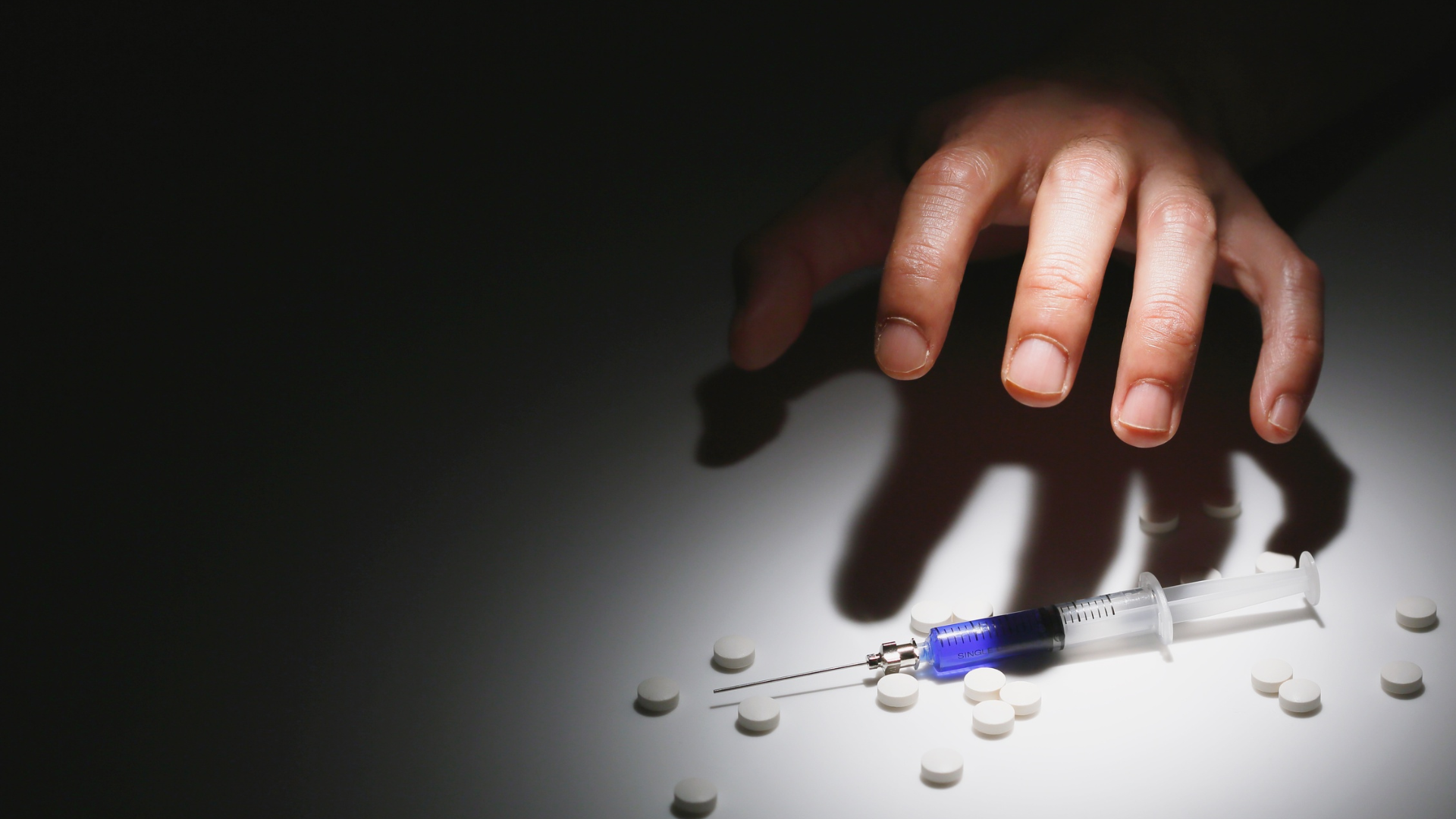
1. You Experience a Loss of ControlAlways on Edge
A key warning sign of addiction is a growing gap between your intentions and your behaviour. You may plan to have one drink but end up having several, or promise to stop over the weekend and continue during the week. Repeated unsuccessful attempts to cut down are also common.
Clinically, SUD is defined by using a substance in larger amounts or for longer than intended, despite efforts to reduce use. This pattern reflects more than a lack of willpower. Addiction is a chronic brain disorder that alters circuits involved in reward, stress, and self-control, weakening decision-making and increasing compulsive behaviour.
A loss of control is a clinical sign that these brain systems are affected, not a moral failing.
2. Your Tolerance has Increased
Over time, the body adapts to repeated substance use, meaning the same amount produces a weaker effect. You may find that you need increasing amounts to achieve the same results, or that you only feel “normal” after drinking or using. This is known as tolerance.
When use is reduced or stopped, withdrawal symptoms may occur, including anxiety, nausea, irritability, low mood, sweating, or shaking. In some cases, withdrawal can be severe and require medical supervision.
These changes reflect alterations in the brain’s reward and stress systems. As dependence develops, substance use often shifts from seeking pleasure to avoiding withdrawal or discomfort. This cycle reinforces continued use and makes stopping far more difficult than simply deciding to quit.
Tolerance and withdrawal are physiological adaptations to prolonged substance exposure, not signs of weakness.
3. Your Responsibilities are Being Affected
As addiction progresses, it can interfere with daily functioning. You may struggle to meet obligations, experience declining performance at work or school, neglect personal care, or withdraw from hobbies and relationships that once mattered.
Repeated substance use alters brain systems that control reward, stress, learning, and self-control, which can affect motivation, judgment, and decision-making. Over time, this may make you more withdrawn, secretive, emotionally reactive, or less engaged in daily responsibilities.
When alcohol or drug use starts to reorganise your schedule, energy, and priorities, it is no longer incidental. This shift indicates that substance use is taking up more space in your life than intended.

4. You Continue Using Despite Clear Harm
The consequences may affect multiple areas of life, including:
- Relational harm (ongoing conflict, broken trust, or social isolation)
- Emotional harm (increased anxiety, depression, or feelings of shame)
- Physical harm (organ disease, weight changes, or declining overall health)
- Risk-related harm (driving under the influence or engaging in unsafe behaviours)
SUD is clinically characterised by continued use despite significant problems. Research shows that compulsive use in the face of harm reflects changes in brain circuits controlling reward, stress, and self-control, rather than simply a matter of poor decision-making.
When substance use continues even after the consequences are clear, it suggests the behaviour is no longer guided by preference alone. It may reflect a pattern consistent with addiction.
5. You Spend Significant Time Thinking about Using
Addiction affects more than behaviour, it also dominates attention and mental energy. You may find yourself frequently thinking about alcohol or drugs, planning how to get them, craving them during the day, anticipating your next use, or focusing on detoxing from their effects.
Even when you are not actively using or drinking, the next opportunity is already on your mind. Spending a substantial amount of time obtaining, using, or recovering from substances is a key sign of SUD.
Repeated substance use changes the brain’s reward system. Natural rewards, like social connection or hobbies, become less satisfying, while substance-related rewards gain prominence. This makes the brain more sensitive to substance cues and less responsive to everyday pleasures, reinforcing mental preoccupation and ongoing use. These changes are neurological adaptations, not character flaws. Brain circuits that control attention, motivation, and reward are physically altered, which helps explain why stopping alcohol or drug use is so difficult, even when someone genuinely wants to quit.

What to Do If These Signs Feel Familiar
Recognising these signs is not a reason for shame. It’s a reason for support.
Addiction is a medical condition, and effective, evidence-based treatments exist for SUD at every level of severity. Recovery is possible, and seeking help early can improve outcomes.
This article is for educational purposes only and is not a substitute for professional diagnosis or treatment. If you suspect you or your loved ones may be struggling with addiction, it’s important to consult with a qualified healthcare professional.
Getting the Support You Need
If addiction is affecting your daily life, reaching out is a sign of strength.
The Lighthouse Bali offers personalised, evidence-based treatment for alcohol and substance use. The program addresses both the addiction and the emotional or psychological factors behind it. Each plan is tailored to your needs, with professional guidance, flexible scheduling, and a supportive, private setting in Sanur, Bali.
Support may include:
- Flexible scheduling to stay connected with family or work
- One-on-one sessions with clinical psychologists to address the root causes of addiction
- Recovery coaching and life skills guidance to rebuild routines
- Wellness therapies, including yoga, breathwork, and art therapy
- Education on coping strategies, managing triggers, and preventing relapse
Recovery is rarely a straight line. With consistent support and professional guidance, healing becomes possible.
If and when you feel ready, you can reach out for a consultation to explore what support may look like for you by clicking here.