5 Signs You’re Struggling with Addiction
Addiction, clinically known as Substance Use Disorder (SUD), is a chronic medical condition that physically alters brain circuits responsible for self-control and decision-making. Key indicators include a loss of control over consumption, increased tolerance or withdrawal symptoms, neglecting daily responsibilities, and continuing use despite clear physical or emotional harm. Recognizing these signs—such as a constant mental preoccupation with substances—is the first step toward recovery, which is highly achievable through personalized, evidence-based treatments like those offered at The Lighthouse Bali.
How Trauma Shows Up in Romantic Relationships

Trauma does not stay in the past — it often shows up most clearly in romantic relationships, where closeness and vulnerability activate our deepest attachment patterns. Research shows that childhood trauma is linked to attachment insecurity, emotional dysregulation, and lower relationship satisfaction in adulthood. This can appear as fear of abandonment, emotional shutdown during conflict, hyper-sensitivity to rejection, difficulty with boundaries, or pulling away when things feel stable. These reactions are not character flaws; they are learned nervous system responses shaped by early experiences. With trauma-informed support, it is possible to build safer, more secure ways of connecting.
7 Signs of Childhood Trauma in Adults
Childhood experiences shape how we see ourselves, relate to others, and respond to stress. While many adults may not identify as “traumatised,” early life challenges can quietly influence emotional patterns, relationships, and physical health. This article explores seven subtle signs of childhood trauma in adults and why understanding these responses is an important step toward healing
Trauma Treatment in Bali Funded With Superannuation

Trauma treatment in Bali offers a peaceful environment and intensive, personalized programs that support recovery from PTSD and emotional trauma. Superannuation can often be accessed early on compassionate grounds to help fund this treatment when public services cannot provide the required level of care.
At The Lighthouse Bali, clients receive evidence-based therapies, holistic healing, and private accommodation, along with full support throughout the Superannuation application process. With the right professional guidance, meaningful trauma recovery is fully achievable, and early access to super can make high-quality treatment more accessible.
How to Use Superannuation Funds for Addiction Treatment and Rehab in Bali
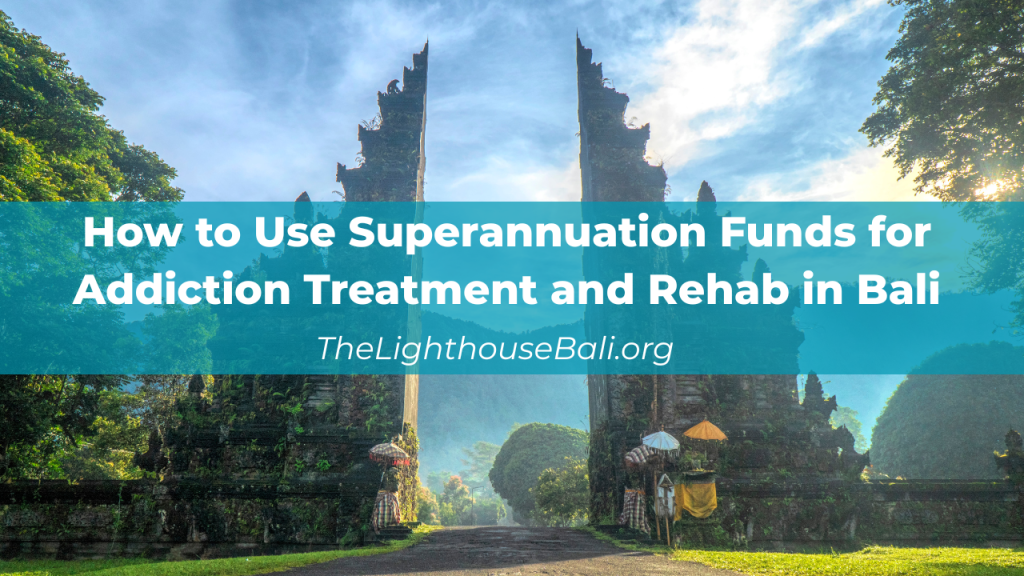
Accessing your Superannuation to fund addiction treatment is an investment in your health, future, and freedom.
At The Lighthouse Bali, we specialise in helping Australians release their Super with ease, ensuring the process is fast, compliant, and stress-free.
Our team in Australia can guide you through every step from eligibility to approval, so you can begin your personalised recovery journey in Bali with confidence and peace of mind.
When Pain Turns to Patterns: How Trauma Fuels Drug Abuse
When pain goes unhealed, it often turns into patterns that shape how we live, think, and cope. For many, those patterns lead to substance use as a way to escape emotional wounds. This piece explores how trauma fuels addiction—and how healing both together can open the door to genuine recovery and lasting peace.
You’re Not Broken: Reframing Trauma and Addiction With Compassion and Clinical Support
At The Lighthouse Bali, recovery is not about fixing what’s “broken,” but about reframing trauma and addiction with compassion and evidence-based care. Using therapies like CBT, EMDR, mindfulness, and personalized recovery plans, our team helps clients replace shame with resilience and create empowering new narratives. With ongoing support and aftercare, we guide individuals toward lasting healing and well-being.
From Surviving to Thriving: Why Dual Diagnosis Treatment Matters for Trauma and Substance Use

Dual diagnosis treatment is not a luxury .it’s a necessity.
When trauma and substance use disorders coexist, treating one without the other often leads to relapse, frustration, and prolonged suffering.
At The Lighthouse Bali, we specialize in integrated, trauma-informed care that treats both the root causes and symptoms of addiction. Through personalized, evidence-based therapy, holistic practices, and world-class clinicians, we help clients not only break free from dependency but build a sustainable path to long-term healing.
If you’re looking to truly heal not just get clean then dual diagnosis treatment is the missing piece.
Addiction and Trauma Recovery in Paradise: How Bali’s Natural Environment Supports Healing

The Lighthouse Bali offers personalized, one-on-one recovery programs for addiction and trauma in a private, luxury setting. Combining evidence-based therapy with holistic and spiritual practices, the center uses Bali’s natural, calming environment to support deep healing and long-term wellness.
Healing the Root Cause: Addressing Trauma for Lasting Addiction Recovery

Addiction often stems from unresolved trauma. Lasting recovery means addressing the root cause—healing the nervous system, rebuilding self-worth, and learning healthy ways to cope.