Understanding Addiction: Why Willpower Isn’t Enough
Quick Links
Articles
Programs
Unique Online Recovery Program
Primary Inpatient Program
Outpatient Program
Therapy
Understanding Addiction: Why Willpower Isn’t Enough
Addiction (alcohol, drugs, or other substances and behaviors) has been misunderstood as a moral failing or a lack of willpower. This misconception has kept many people from seeking help. Meanwhile, research shows that addiction is a complex brain disorder influenced by biology, environment, and psychological factors that go far beyond personal choice.
In this article, we will focus on substance addiction. It is also important to note that behavioural addiction (or process addiction) is a very real issue for many people. Process addiction is a compulsive, repetitive, and uncontrollable urge to engage in a specific behavior or activity—such as gambling, shopping, gaming, or eating—despite severe negative consequences. These non-substance addictions trigger brain reward systems similar to drugs and alcohol, providing temporary relief or euphoria. As with substances, they can lead to serious and often dangerous consequences.
This article will break down what substance addiction really is, how it develops, and why quitting is often more complicated than simply using willpower.
What Addiction Really Is
Addiction isn’t a moral failing or lack of willpower. It’s actually a chronic brain disorder that changes how the brain handles reward, motivation, memory, and self-control. These changes make it extremely difficult to stop using drugs, alcohol, or other substances, even when a person wants to quit.
Repeated substance use rewires the brain in ways similar to how chronic illnesses like diabetes or heart disease affect the body. Just as someone with diabetes cannot make their pancreas work on demand, a person with addiction cannot simply force their brain to stop craving substances.
Addiction develops from a combination of brain chemistry, genetics, life experiences, and environment. Understanding this helps explain why treatment, support, and healthy coping strategies are necessary. Willpower alone is rarely enough.

How Addiction Changes Your Brain
Addiction changes the way your brain works. Dopamine is a critical neurotransmitter and chemical messenger in the brain that regulates pleasure, motivation, memory, attention, and motor control. Using drugs and alcohol releases additional dopamine in the brain, often in amounts significantly higher than those produced by natural rewards like food or social interaction. Drugs and alcohol basically “hijack” the brain’s reward system, causing a massive surge of dopamine that reinforces drug-seeking behavior and leads to addiction. As a result, the brain produces less dopamine or reduces the number of receptors. This means you need more of the substance just to feel normal, also known as ‘tolerance’.
Addiction also affects the prefrontal cortex of the brain, which is in charge of decision-making and self-control. This is why someone may truly want to quit but still struggle to stop. It’s not a sign of weakness, it’s how the brain has been changed by repeated substance use.
Genetic Factors: The Role of DNA
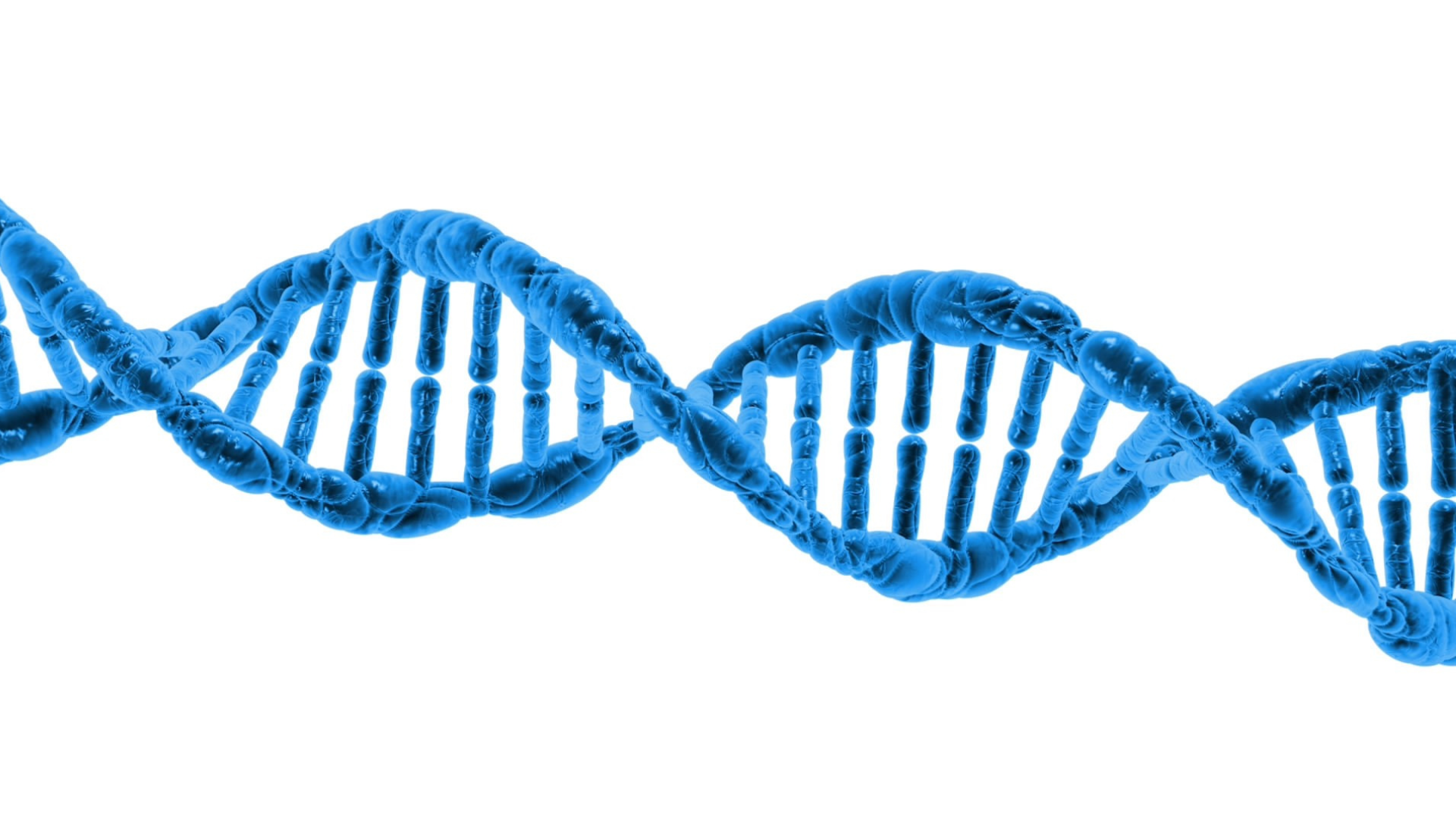
Your genes play a big role in addiction. Research shows that 40-60% of a person’s risk of addiction comes from genetics. If a parent or sibling has struggled with addiction, you are more likely to develop it too, even if you grew up in a different environment.
Certain genetic differences can affect how your brain responds to drugs or alcohol, how quickly you build tolerance, and how strong withdrawal symptoms may be. Some people are simply born with a brain chemistry that makes them more vulnerable to addiction.
Having these genetic risk factors does not mean addiction is guaranteed. It just means you may be more likely to struggle if other risk factors, like stress or trauma, are present.
How Your Environment and Relationships Affect Addiction
Your surroundings can influence your risk of addiction. Growing up in a home or community where drugs or alcohol are common, living in poverty, or having easy access to substances can make these people more likely to develop addiction or substance use issues as an adult.
Experiences like trauma, abuse, or neglect in childhood also increase vulnerability. Alcohol or drugs may be used as a way to cope with emotional pain, stress, or mental health challenges such as anxiety and depression.
The people around you play a role, too. Feeling isolated or lacking supportive relationships can push someone toward substance use for comfort, while strong social connections and a sense of community can help protect against addiction.

Addiction and Mental Health
Addiction often happens alongside mental health issues like anxiety, depression, PTSD, or bipolar disorder. Millions of adults experience both at the same time, and having one increases the risk of developing the other. These are known as co-occurring disorders (also called dual diagnosis).
Some people use alcohol or drugs to cope with mental health symptoms. Other times, substance use makes these issues worse. Treating both together leads to better recovery outcomes.
Understanding that these conditions often overlap can reduce shame and encourage seeking support for both issues at once.

How Age Affects Addiction Risk
The age at which someone first uses alcohol or drugs can greatly affect their risk of addiction. Teen brains are still developing, especially the areas that control decision-making and self-control, making them more sensitive to substances.
Early use can change how the brain handles rewards and control, increasing the chance of long-term problems. Delaying substance use allows the brain to mature and lowers the risk of addiction later in life.
Why Stress Can Lead to Addiction
Chronic stress can make the brain more vulnerable to addiction. Long-term stress affects areas that control decision-making, self-control, and reward, which can make alcohol or drugs feel like an easy way to cope.
Over time, relying on substances to manage stress can backfire. It makes emotions harder to regulate, strengthens cravings, and increases the risk of developing addiction.

Why Addiction Feels Impossible to Quit
Addiction changes the brain in ways that make stopping alcohol or drug use very difficult.
Here’s what makes it so hard:
- Tolerance
You need more of the substance to feel the same effect. - Dependence
Your body comes to rely on it to feel normal. - Withdrawal
Stopping causes uncomfortable or even dangerous symptoms. - Cravings
Urges can be triggered by people, places, or past experiences. - Relapse
These factors make returning to use very easy without support.
Every time someone tries to quit without addressing these brain and body changes, it’s like trying to run a marathon with a broken leg. It’s not about willpower or wanting it badly enough. It’s about the way addiction rewires your brain and body.

Looking At Addiction Differently
Addiction is not about being weak or lacking self-control. It is a medical /mental health condition that affects the brain and body, shaped by biology, mental health, environment, and life experiences.
Understanding this changes everything. Recovery is not a test of willpower. It is a process that often requires professional care, psychological support, and healthy coping strategies. With the right help, people can break the cycle of addiction.
Evidence-based treatments such as behavioral therapy, medication-assisted detox, and structured support systems target the underlying causes, help regulate brain chemistry, and build healthier patterns for long-term recovery.
Compassion for yourself and support from others is just as important as medical care.
Getting Support for Alcohol and Substance Use
If addiction is affecting your daily life, reaching out for professional support is a sign of strength, not failure. At The Lighthouse Bali, treatment is tailored to each individual.
Programs include:
- Support to rebuild healthy routines and coping skills.
- One-on-one sessions with qualified clinical psychologists.
- Programs designed to manage cravings and prevent relapse.
- Evidence-based therapies to address substance use and mental health.
Recovery is rarely a straight line. Small, steady steps with the right support can help you regain control, heal, and create a healthier life.
When you feel ready, you can reach out for a consultation with us to explore what support looks like for you by clicking here.